Computer vision use cases you can label in ImageLabeling
These computer vision use cases cover the datasets teams build most often: defects on a production line, products on a shelf, crops and fields from the air, research imaging, robots in warehouses and safety equipment on job sites. Each page lists a realistic label schema, the annotation types that fit, the export format that fits your training stack and the plan that usually fits.
-
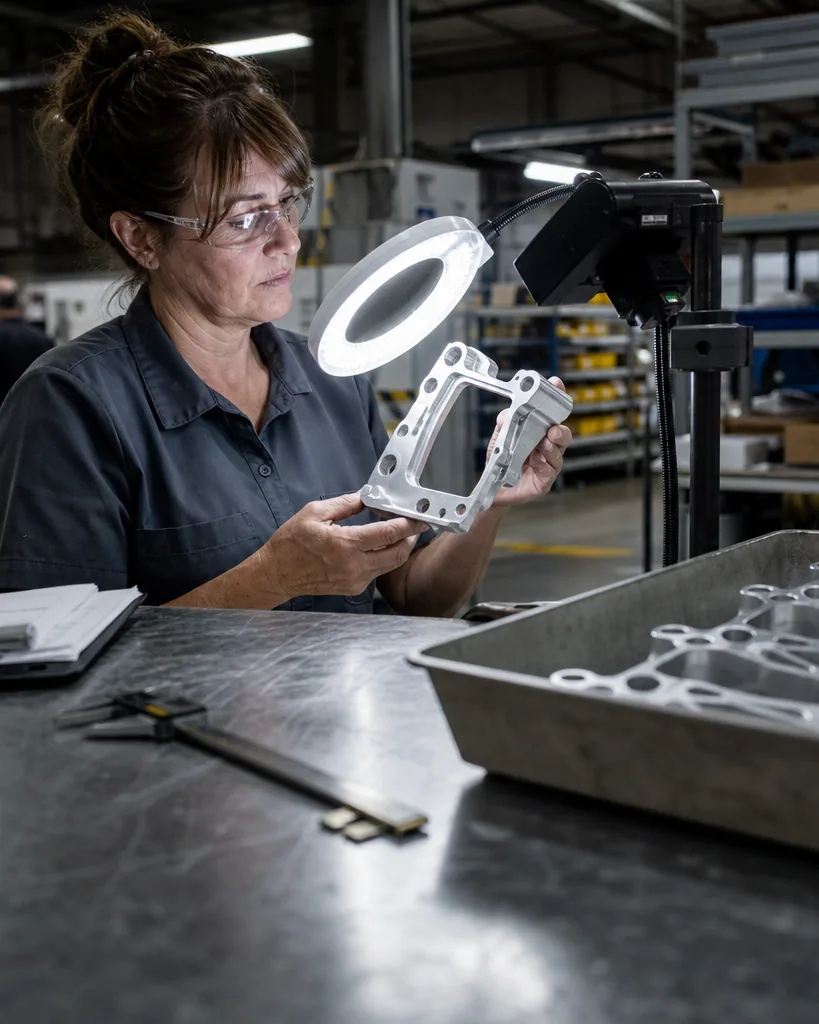 Manufacturing defect detection
Scratches, dents, cracks and missing parts are small, rare and easy to miss. A good defect detection dataset mixes tight boxes for localization with polygons or masks where defect area matters, and keeps defect free images in the set. See how to build one in defect detection dataset.
-
 Retail shelf monitoring
Shelf images are dense: dozens of similar products, price tags and gaps in one frame. Boxes per facing plus a product attribute are the usual approach, and AI pre-labels save the most time here. Read retail shelf image annotation.
-
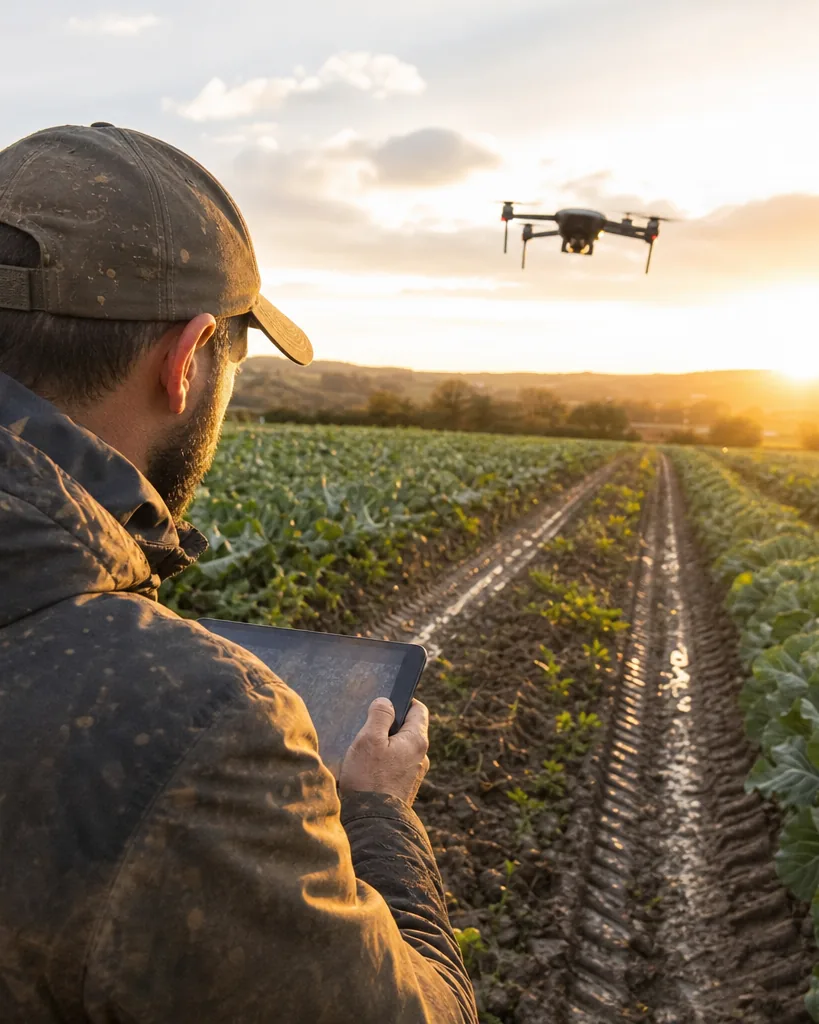 Agriculture and aerial imagery
Drone and aerial images call for polygons and segmentation masks over fields, crop rows, weeds and water, often on large tiles. See aerial image annotation.
-
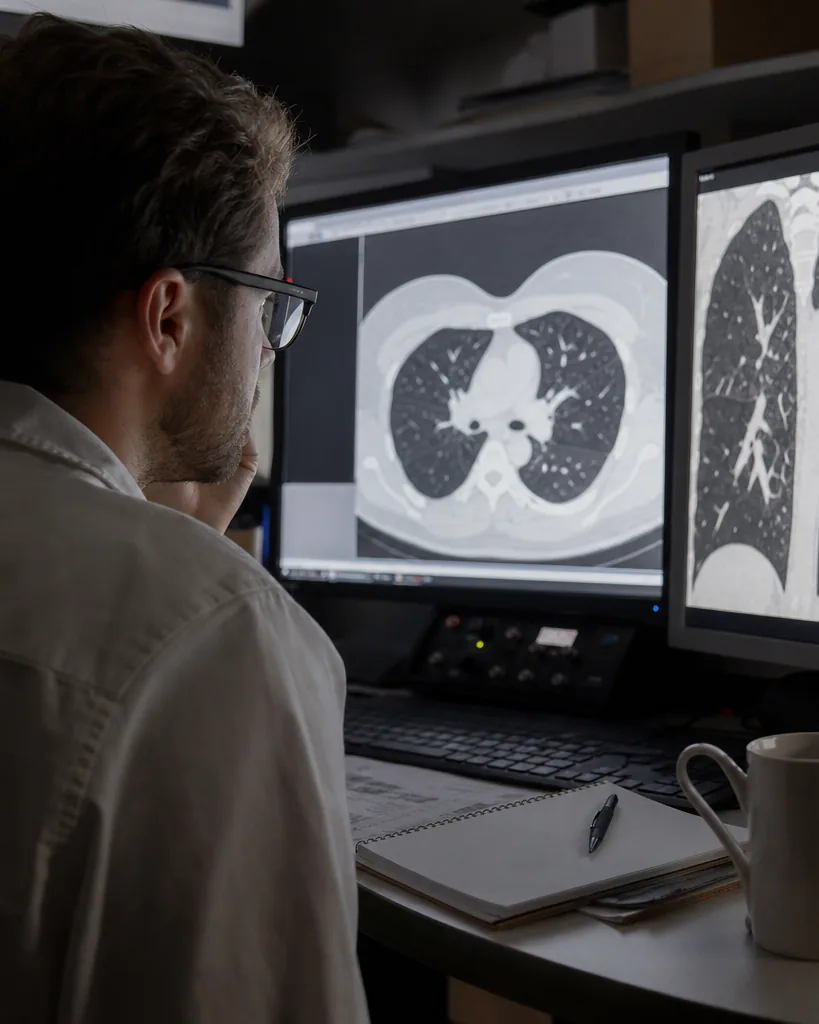 Medical imaging for research
Research teams label de-identified images to train and evaluate models, with careful review and expert reviewers. ImageLabeling is a labeling tool, not a diagnostic device. Read medical image annotation.
-
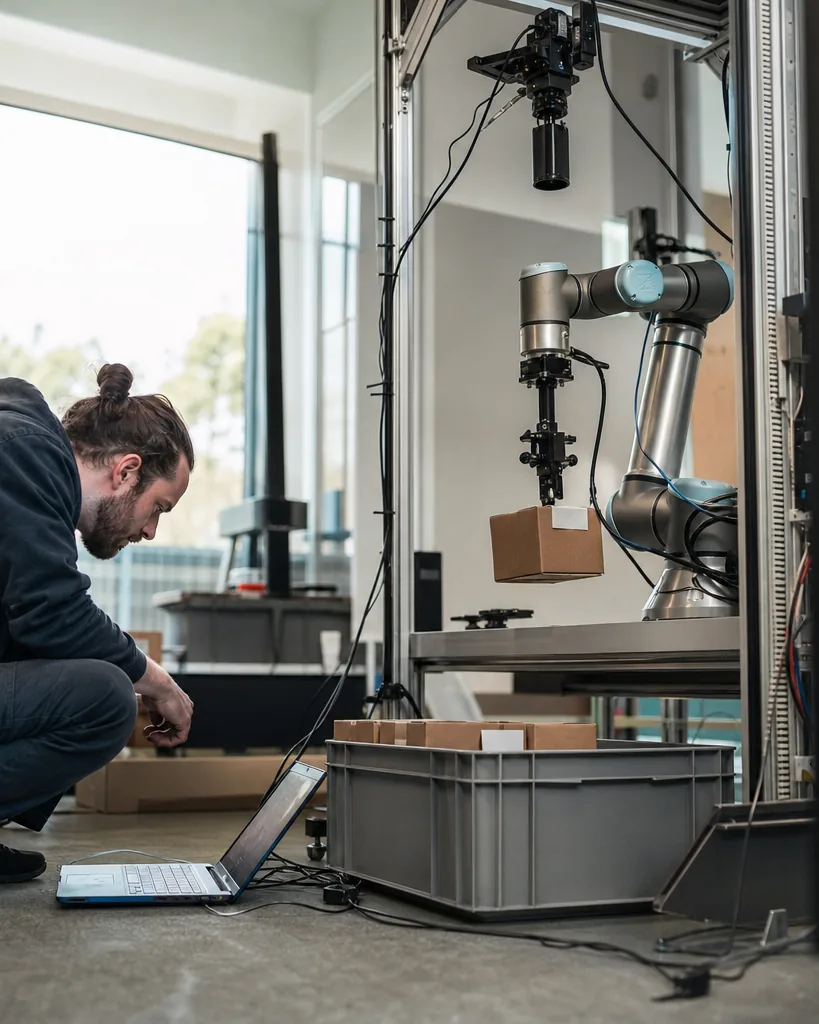 Robotics and warehouses
Pick and place, navigation and inventory robots need boxes, masks and keypoints for grasp points on boxes, totes, pallets and people. See robotics dataset labeling.
-
 Security and PPE detection
Safety models detect helmets, vests and gloves on people, plus forklifts and restricted zones. A clean PPE detection dataset links equipment to the person wearing it. Read ppe detection dataset.
What every computer vision use case shares
Whatever the industry, the workflow is the same. You upload images, the AI model proposes labels for your schema with auto labeling, your team fixes them in the editor, a reviewer approves, and you freeze a dataset version and export it. Detection teams usually export with the YOLO labeling tool, while segmentation and keypoint teams often prefer the COCO annotation tool. Plans differ by annotation types, seats and the monthly AI pre-label quota, so compare them on image annotation tool pricing. If you need more people than you have, data annotation services add vetted annotators to your workspace on Business and Enterprise.
Try your own use case
Upload one image from your dataset and see AI pre-labels in the free demo.